Bunyan OS
Runtime-ControlledProjects / Inventory / Finance
An executive ecosystem experience showing how LBI Egypt turns products into governed, AI-assisted, runtime-controlled operational platforms.
LBI CORE PANEL operates as the central intelligence engine while every product remains isolated, governable, and ready for runtime licensing, feature flags, commands, usage intelligence, and lifecycle control.
A runtime command experience that demonstrates how owner-side governance can activate features, enforce licenses, synchronize Core Agent state, apply limits, and convert activity into intelligence without breaking product isolation.
A cinematic simulation of how LBI Egypt connects Core Panel, Core Agent, client databases, feature flags, subscriptions, operational activity, and AI recommendations into one governed SaaS intelligence layer.
A simulated command surface showing how owner-side governance can monitor client health, product activity, renewals, alerts, feature adoption, revenue signals, and AI-guided operational actions.
LBI CORE PANEL operates as the central intelligence engine while every product remains isolated, governable, and ready for runtime licensing, feature flags, commands, usage intelligence, and lifecycle control.
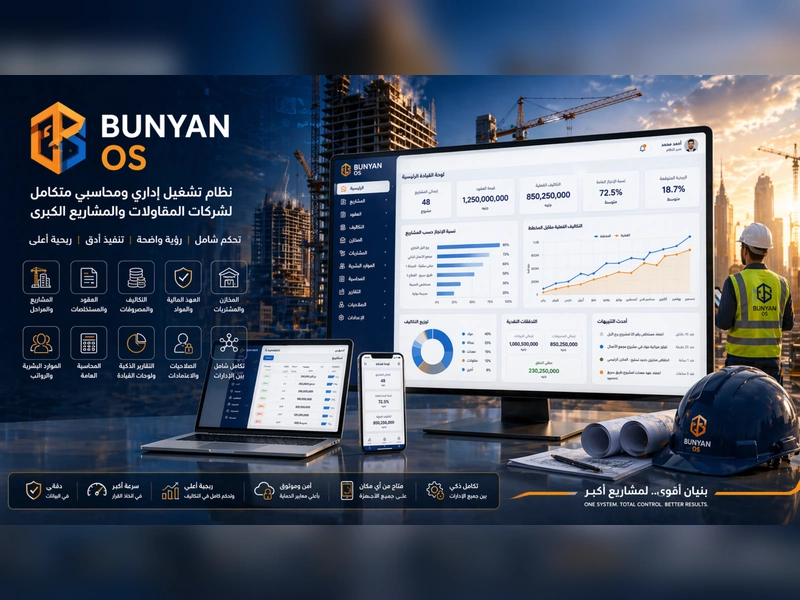
Projects, custody, disbursements, expenses, inventory, payroll readiness, Project 360, and cost intelligence.
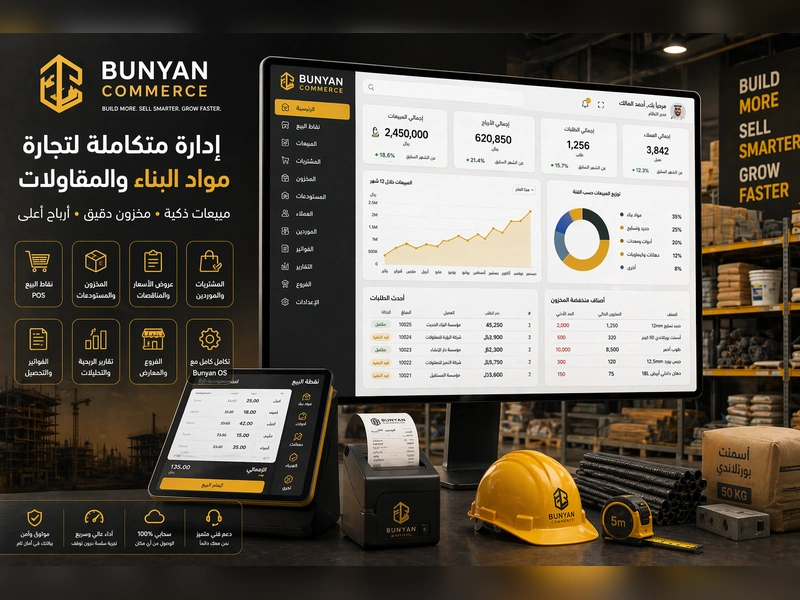
Bunyan OS plus Sales and POS modules, controlled through edition mapping, limits, and owner-only runtime flags.
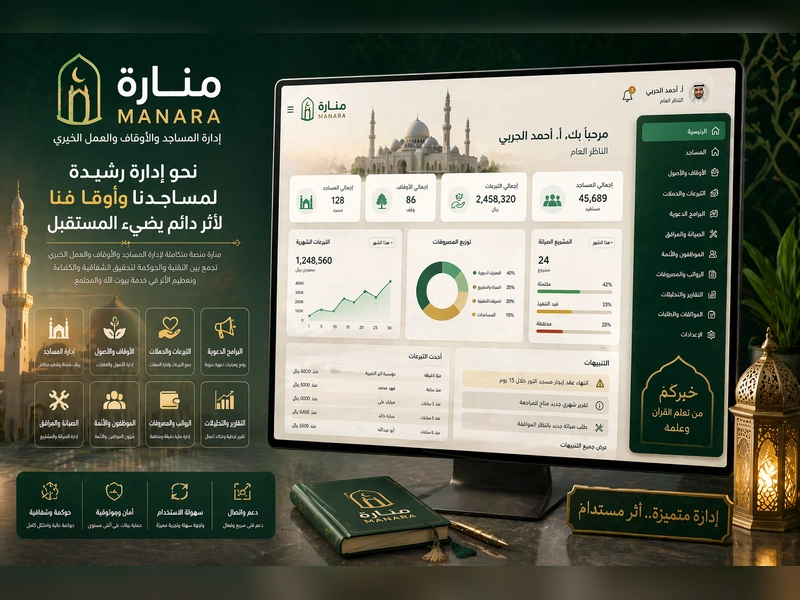
Mosque operations, donors, owners, activities, media, maintenance, staff workflows, portals, and PWA readiness.
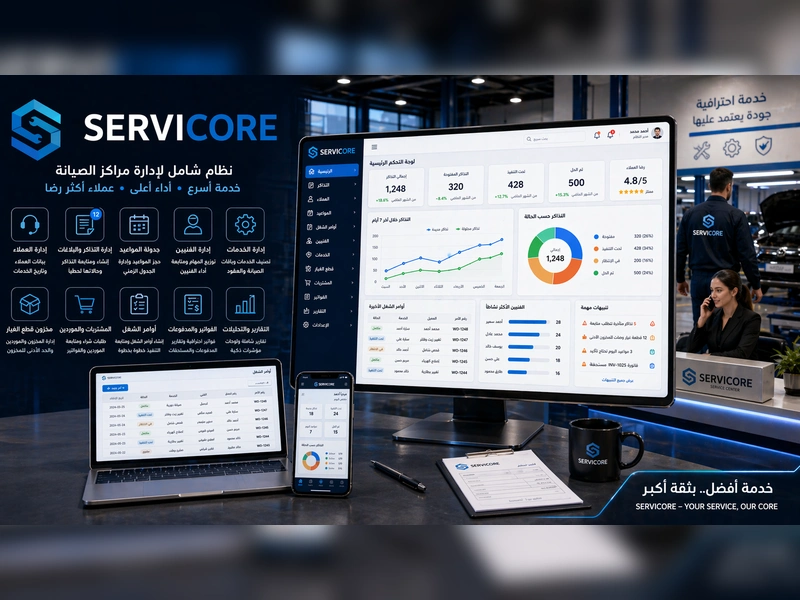
Customers, technicians, service orders, invoices, quality, surveys, payroll expansion, and field operations intelligence.
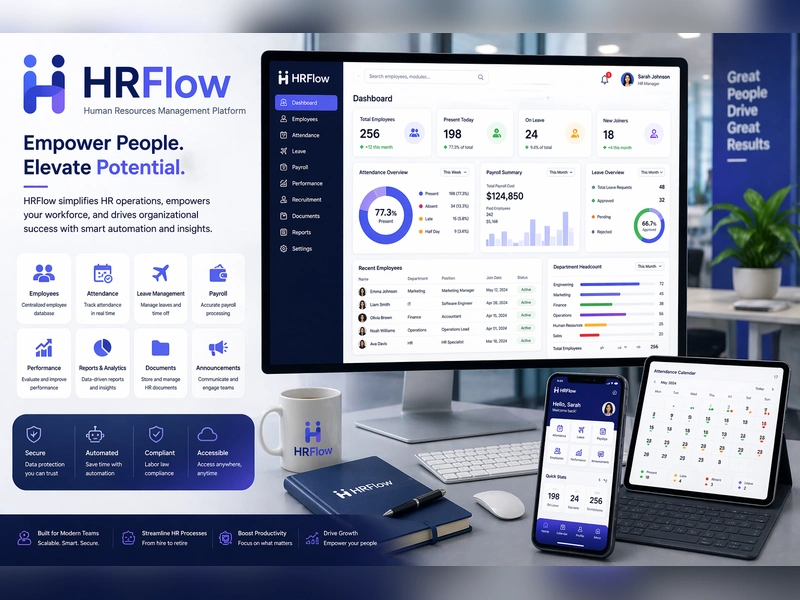
Future HR, payroll, permissions, employee workflows, approvals, and intelligence-driven people operations.
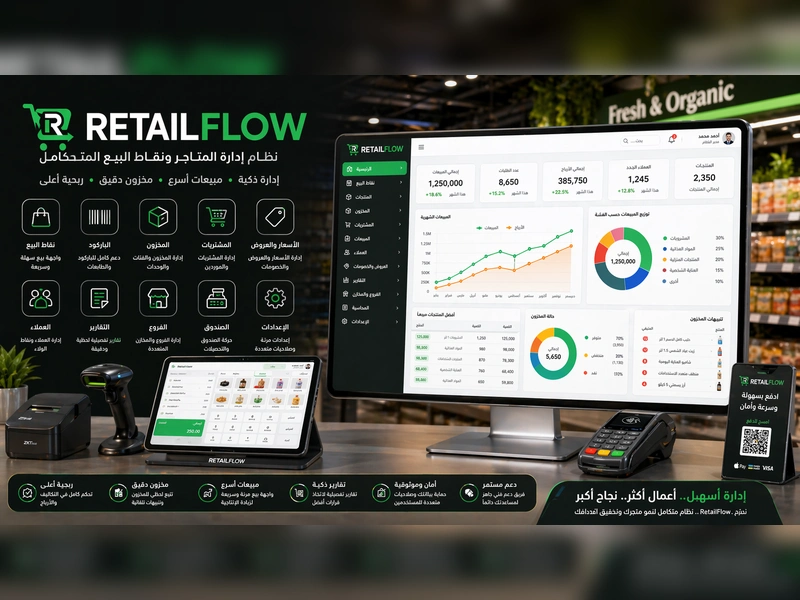
Future retail management, sales, stock, POS, customers, offers, loyalty, and commerce analytics.
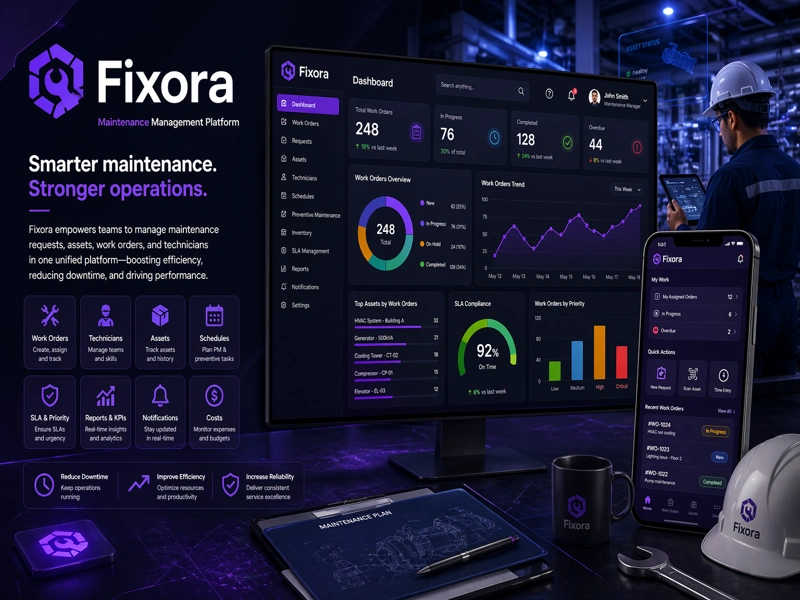
A future commercial variant derived from service operations and field-workflow architecture.
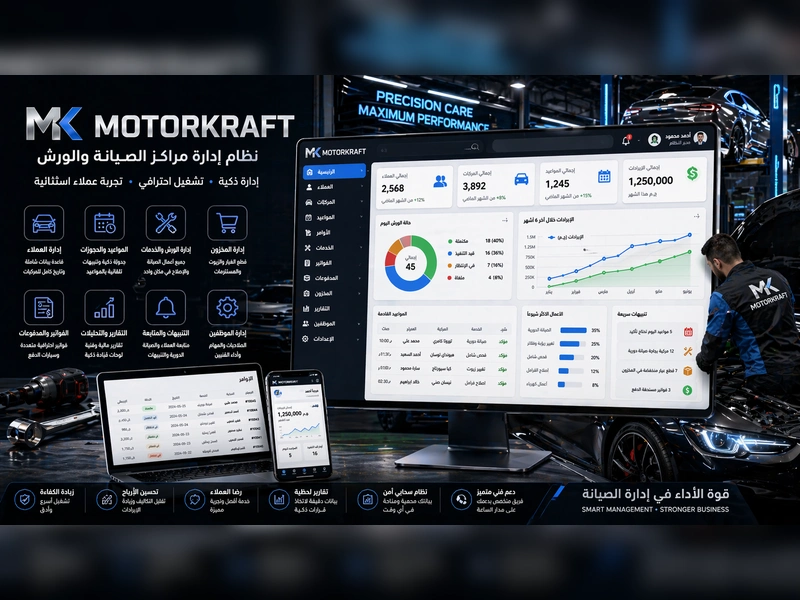
A future automotive service and garage operations product derived from field service and inventory DNA.
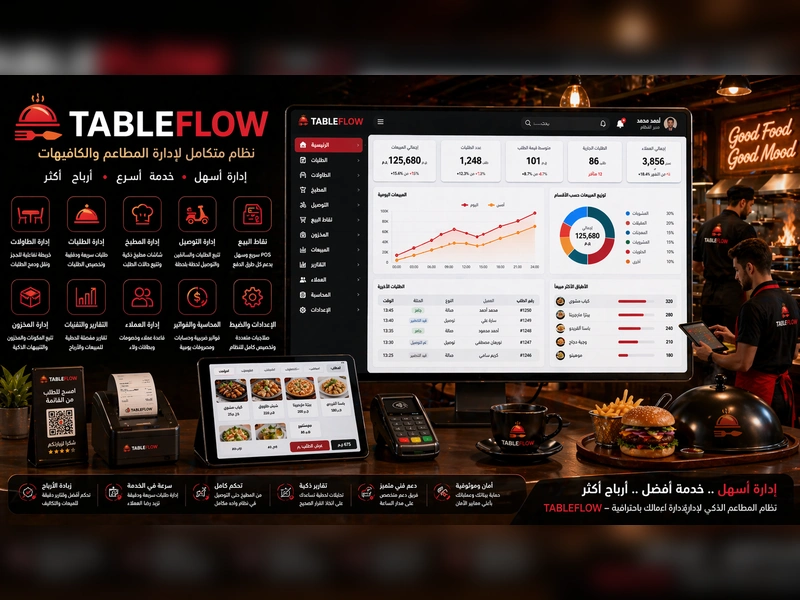
Restaurant, café, table, kitchen, POS, stock, cashier, and branch intelligence from controlled Product DNA.
Every product family is presented as reusable operational DNA: isolated databases, runtime controls, edition mapping, workflow intelligence, and future AI-assisted governance.
| Product | AI Runtime | Multi-Tenant | Feature Flags | SaaS Governance | Predictive Ops | Workflow Intel | Runtime Analytics | Operational Intel |
|---|---|---|---|---|---|---|---|---|
| Bunyan OS | ||||||||
| Bunyan Commerce | ||||||||
| MANARA | ||||||||
| ServiCore | ||||||||
| HRFlow | ||||||||
| RetailFlow | ||||||||
| Fixora | ||||||||
| MotorKraft | ||||||||
| TableFlow |
The experience is structured as capability layers, not generic feature blocks: each layer can be reused across current and future LBI Egypt products.
AI-native delivery reduces operational risk by replacing static deployments with monitored, governed, measurable, and continuously improvable SaaS ecosystems.
Policies, limits, license state, and product behavior become controllable without random code changes.
Usage, health, renewals, and feature adoption become visible signals for owner decisions.
New product variants can inherit proven modules, UI laws, SaaS controls, and QA memory.
Dashboards can recommend next actions for renewals, upgrades, risk, support, and lifecycle control.
Daily work across projects, mosques, service teams, retail, HR, finance, and clients becomes structured business data.
Usage limits, subscription states, feature controls, workflow activity, and health logs become live governance signals.
Dashboards and mobile workflows recommend next actions for owners, admins, staff, and operational teams.
The owner controls products, clients, editions, modules, renewals, messages, and runtime actions through Core Panel.
The strategic shift is from delivering screens to operating a governed SaaS ecosystem with intelligence, observability, and owner control.
Concise answers for decision makers evaluating AI-native SaaS modernization and runtime governance.
They are designed to learn from operational activity, guide workflows, expose live signals, and support controlled runtime decisions.
It is the ability to control license state, feature access, limits, policies, commands, and client lifecycle from a central owner layer.
Core Panel acts as the owner command center while Core Agent tables inside each product database receive state, commands, health logs, and feature controls.
It preserves client isolation while still allowing central governance, safer scaling, product intelligence, and subscription control.
Discuss AI-native SaaS modernization, Core Panel governance, Product DNA derivation, mobile operational UX, or a new enterprise product roadmap.
A shorter path to sales, support and consulting for serious buyers.
Arabic / English / French · Demo / Quote · B2B SaaSShare the essentials. We will qualify the request, recommend the closest LBI Egypt product, and route it to sales follow-up.